
Understanding Electric Motors

Electric motors are essential components in various applications, with a prominent role in electric vehicles (EVs). At their core, electric motors convert electrical energy into mechanical energy, enabling the movement of vehicles through rotational force. The types of electric motors typically employed in EVs are divided into two primary categories: alternating current (AC) motors and direct current (DC) motors. Each has its unique characteristics and applications in the automotive industry.
The basic principle of operation for electric motors hinges on the interaction between magnetic fields and current-carrying conductors. The main components of an electric motor include the stator, rotor, windings, and bearings. The stator serves as the stationary part of the motor, generating a magnetic field. The rotor, located within the stator, rotates as a result of magnetic force acting on it when electric current flows through the windings. Bearings provide support and enable free movement of the rotor.
When differentiating between AC and DC motors, it is vital to acknowledge that DC motors usually offer higher torque at lower speeds and are simpler in terms of control, while AC motors, such as the induction motor and permanent magnet synchronous motor, tend to be more efficient and require less maintenance. This efficiency is a crucial factor that gives electric motors an edge over traditional internal combustion engines.
Electric motors are highly beneficial due to their high efficiency, lower operating costs, and reduced environmental impact compared to traditional engines. Additionally, they produce no tailpipe emissions, which contributes to improving air quality. The increasing shift towards electric mobility underscores the importance of understanding electric motors and their pivotal role in the future of transportation.
fan-regulator-kese-kaam-karta-hai
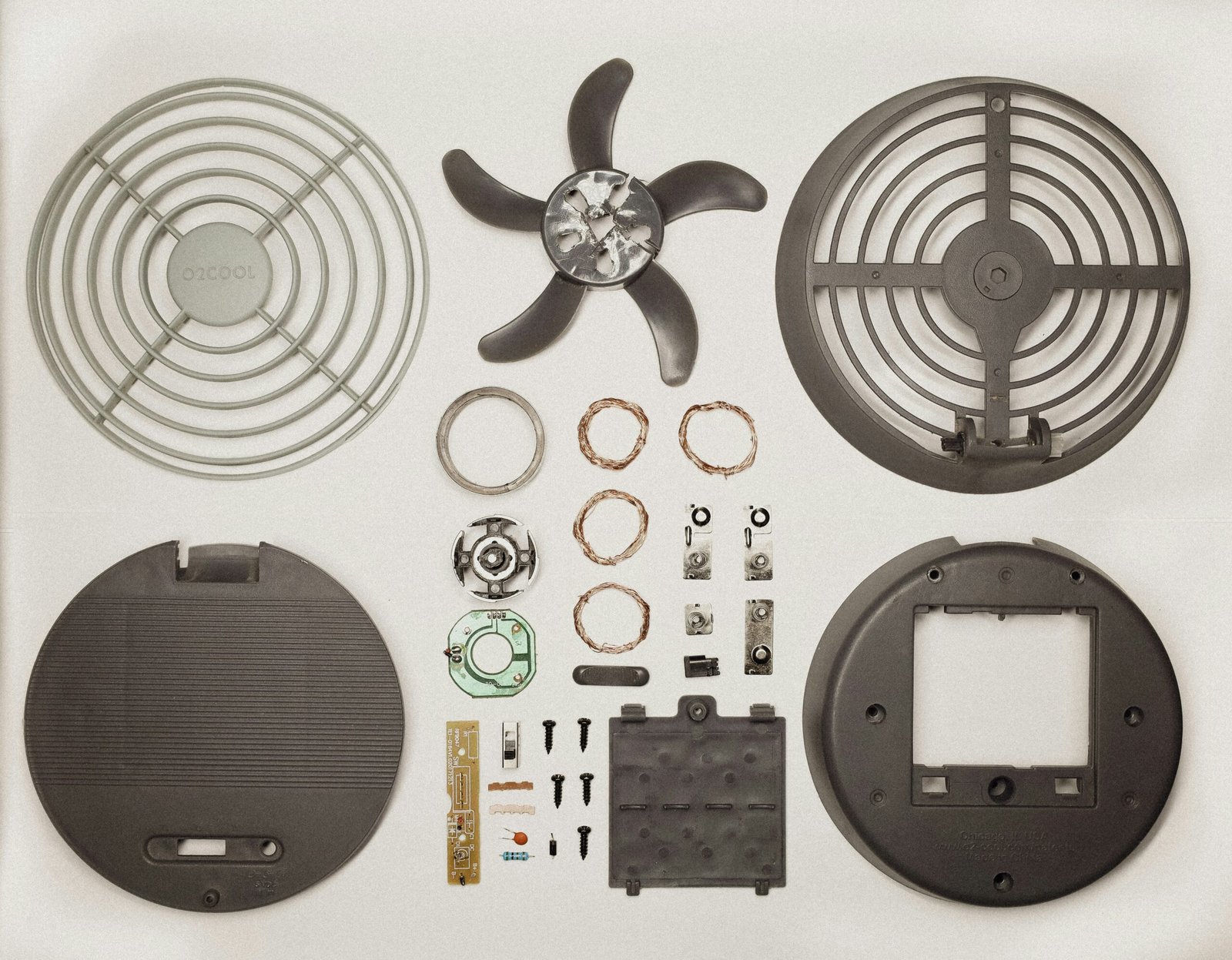
Key Components of an Electric Car Motor
Understanding the key components of an electric car motor is essential for appreciating how these vehicles operate. The smooth functionality of an electric vehicle hinges on several integral parts, each playing a crucial role in driving performance and efficiency.
The most prominent component is the electric motor itself, which converts electrical energy into mechanical energy. This transformation is what propels the vehicle. Electric motors are highly efficient, allowing for a rapid response to acceleration and a seamless driving experience. It is important to note that the efficiency of the motor directly impacts the overall range and performance of the electric vehicle.
Next, we have the batteries that store the energy required for the motor’s operation. These batteries, typically lithium-ion, are designed to provide high energy density and longevity. Their capacity determines how far an electric car can travel on a single charge. Battery technology has evolved significantly, enabling longer ranges and faster charging times, which enhance the usability of electric vehicles.
Another critical part is the inverter, which transforms direct current (DC) from the batteries into alternating current (AC) for the electric motor. This conversion is vital for enabling the motor’s operation. The inverter also regulates the motor’s speed and torque, ensuring that the vehicle operates smoothly under various driving conditions.
Lastly, electronic controllers play a significant role in managing the energy flow between the battery, inverter, and motor. They monitor driving conditions and adjust the vehicle’s systems accordingly to optimize performance. Additionally, regenerative braking systems are incorporated, which convert kinetic energy back into stored energy during braking, effectively enhancing energy efficiency and extending the vehicle’s range.
How Electric Car Motors Work
Electric car motors operate through a systematic conversion process that transforms electrical energy into mechanical energy. This is accomplished primarily through the principle of electromagnetism, which is fundamental to electric motor operation. When electric current flows through the windings of the motor, it generates a magnetic field. This magnetic field interacts with the magnets or another magnetic field present in the motor, creating rotational force or torque. Torque is crucial, as it determines how efficiently the vehicle accelerates and moves.
BLDC मोटर बनाम इंडक्शन मोटर: एक विस्तृत तुलना
Central to this energy transformation is the inverter, a critical component that converts direct current (DC) from the vehicle’s battery into alternating current (AC) that is utilized by the electric motor. The inverter acts as a mediator, adjusting the current to enable the car to achieve various speeds and torque levels necessary for optimal performance. The precision with which the inverter modulates AC power significantly impacts the efficiency and responsiveness of the electric vehicle during operation.
Subsequently, this AC power is delivered to the wheels through a series of drivetrain components. Depending on the car’s design, the electric motor could be placed in different locations—front, rear, or even at all four wheels. This configuration affects the distribution of power, impacting the vehicle’s handling and performance. The relationship between torque and speed is vital in this context; higher torque typically means better acceleration, while speed reflects how fast the car is moving. Furthermore, the overall dynamics of the drivetrain are influenced by various factors, such as weight distribution and suspension characteristics.
Understanding how these components work together enables a clearer comprehension of the intricacies involved in electric vehicle operation. These technical aspects not only enhance the driving experience but also underscore the importance of efficient energy utilization in achieving sustainable transport solutions.
Advantages and Challenges of Electric Car Motors
Electric car motors present a myriad of advantages compared to traditional internal combustion engines. One of the most significant benefits is their contribution to environmental sustainability. Electric vehicles (EVs) produce zero tailpipe emissions, which drastically reduce air pollution in urban areas. This is a critical factor in combating climate change and improving public health. Additionally, electric car motors typically have a higher energy efficiency rate than gasoline engines, with many converting over 60% of the electrical energy from the grid to power at the wheels, in stark contrast to the less than 20% efficiency of traditional engines.
Another compelling advantage of electric motors lies in lower maintenance costs. Without components such as oil, filters, fuel injectors, and exhaust systems, EVs generally require less routine maintenance. This not only leads to cost savings for owners but also enhances reliability over time. Furthermore, electric motors provide instant torque, allowing for quicker acceleration and a smoother driving experience. The performance characteristics of electric vehicles often contribute to a more enjoyable driving experience.
Despite these numerous advantages, the transition to electric car motors is not without its challenges. Chief among these is battery life and efficiency, as the longevity and performance of batteries can significantly impact the viability of electric vehicles. As of now, the technology has made great strides, but issues related to battery degradation over time persist.
Moreover, charging infrastructure remains in its infancy in many regions, leading to concerns about range anxiety. The need for accessible charging stations is critical for the widespread adoption of electric vehicles. Without adequate charging networks, potential users may hesitate to choose electric over traditional vehicles. Addressing these challenges is essential for maximizing the benefits of electric motor technology in the automotive sector.